Mercosur Trade Negotiations: Paraguay Seeks New Opportunities Amid Global Shifts
As global trade dynamics continue to evolve, Paraguay is actively engaging in discussions within Mercosur to enhance its economic position. Analysts highlight the potential benefits and challenges for the country as it seeks to strengthen regional and international ties.
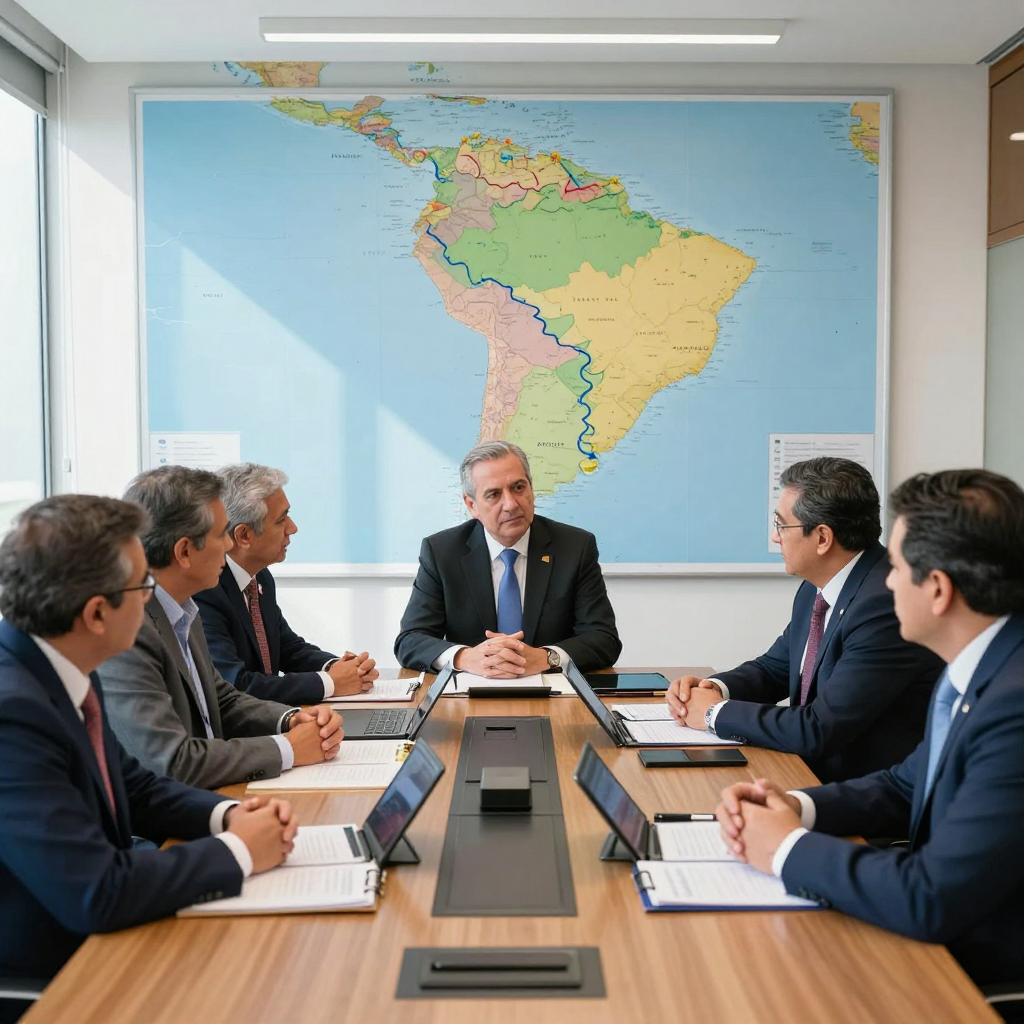
In the ever-evolving landscape of global trade, Paraguay finds itself at a crossroads as it navigates through ongoing negotiations within the Mercosur bloc. The country, known for its strategic position in South America, is leveraging its membership in Mercosur to explore new opportunities that could bolster its economy and diplomatic relations.
Mercosur, which includes Argentina, Brazil, Uruguay, and Paraguay, has long been a cornerstone of regional integration efforts. However, recent global shifts, including the rise of alternative trade blocs and changing geopolitical alliances, have prompted Paraguay to reconsider its approach. This has led to active dialogues focused on strengthening intra-bloc trade and exploring expanded partnerships beyond the traditional Mercosur framework.
One of the key areas Paraguay is focusing on is diversifying its export markets. Traditionally reliant on agricultural products such as soybean and beef, the country is now looking to expand its industrial and service sectors. Officials have emphasized the importance of technological innovation and infrastructure development as tools to attract foreign investment and enhance competitiveness in global markets.
Diplomatic relations also play a crucial role in Paraguay’s strategy. The country is seeking to balance its existing commitments within Mercosur with the need to engage more actively with other regional and international partners. This includes exploring agreements with non-Mercosur nations, particularly those in Asia and Europe, where demand for South American goods is growing.
However, challenges remain. Internal political stability and the need for structural reforms continue to impact Paraguay’s ability to fully capitalize on these opportunities. Analysts note that while the country has shown progress in several sectors, sustained efforts are required to address longstanding issues such as bureaucracy and regulatory hurdles.
Despite these challenges, the outlook remains cautiously optimistic. Paraguay’s proactive stance within Mercosur, combined with efforts to diversify its economic base, positions it as a significant player in regional trade dynamics. As the global trade environment continues to transform, Paraguay’s ability to adapt and forge new alliances will be pivotal in determining its future economic prospects.
In conclusion, Paraguay’s engagement with Mercosur and its broader trade strategies reflect a nation striving to navigate complex global shifts. By leveraging its regional relationships and embracing economic diversification, Paraguay aims to solidify its place in both the Mercosur bloc and the larger global market. While challenges persist, the focus on sustainable growth and strategic partnerships suggests a promising path forward for the country.