Paraguay Aims to Strengthen Football Infrastructure for International Competitions
Paraguay is seeking to enhance its football infrastructure to position itself as a key host for regional and international tournaments, reflecting growing ambitions in the South American football landscape.
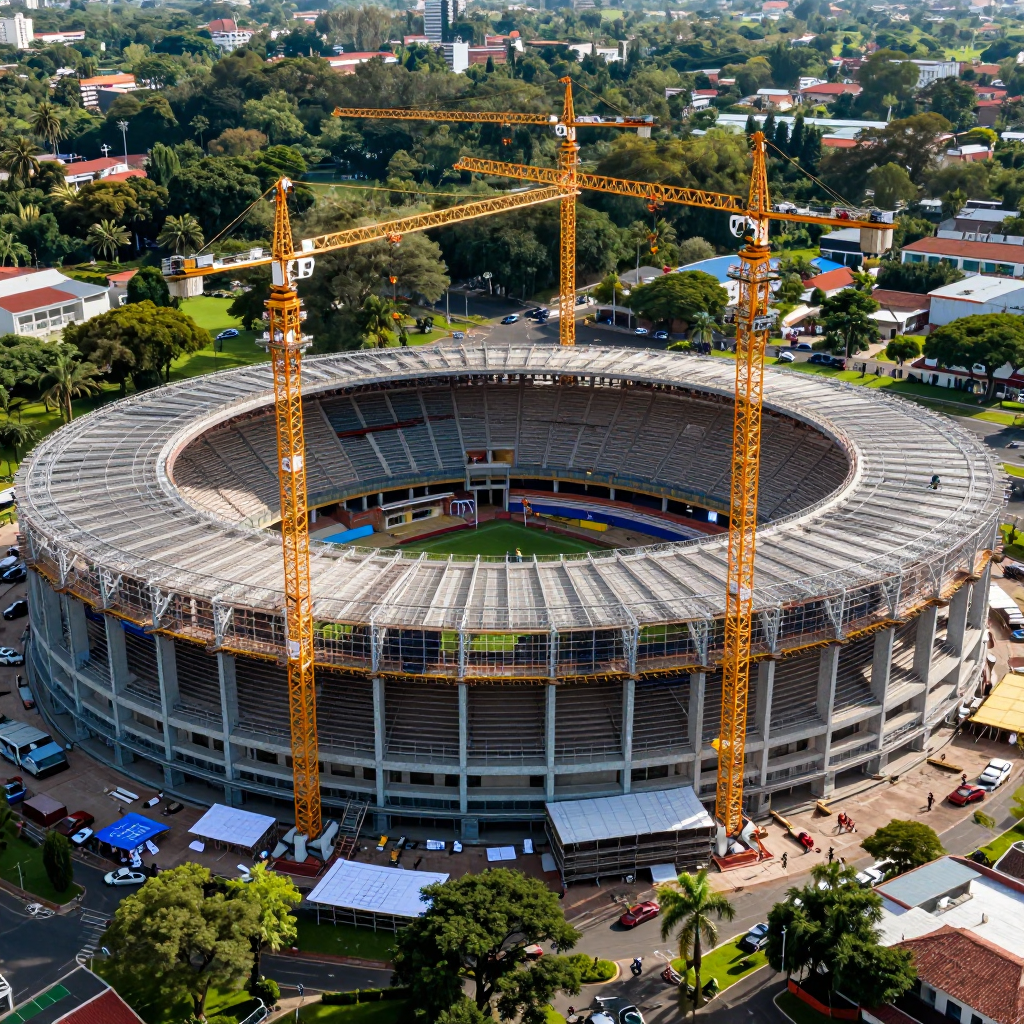
As Paraguay continues to leverage its strategic position within Mercosur, the nation is making significant strides in developing its football infrastructure to boost its status as a potential host for future international competitions. This initiative not only aligns with the country's commitment to showcasing its capabilities but also highlights the broader economic and diplomatic opportunities that hosting such events can bring.
Football remains one of Paraguay's most cherished national pastimes, with deep cultural roots and passionate local support. Over the years, the country has produced notable athletes who have represented it at prestigious global tournaments. However, both domestically and internationally, Paraguay faces challenges in providing world-class facilities necessary to attract high-profile events. Recognizing this gap, the Paraguayan government has embarked on a multi-pronged approach to modernize existing stadiums and construct new venues.
The Ministry of Sports and Culture is leading efforts to upgrade Estadio Defensores del Chaco, Paraguay's national stadium, which currently holds approximately 45,000 spectators. Plans include enhancing amenities, expanding seating capacity, and integrating cutting-edge technology to meet FIFA standards. Additionally, there are discussions about constructing a new multipurpose sports complex in Asunción, catering specifically to regional and international tournaments. This development could serve as a catalyst for tourism, generating revenue and promoting Paraguay's cultural heritage internationally.
Regional cooperation within Mercosur is playing a pivotal role in these efforts. Paraguay's close ties with countries like Brazil, Argentina, and Uruguay provide opportunities for knowledge sharing and technical assistance in infrastructural planning. Analysts suggest that successful hosting of events could strengthen Paraguay's standing within Mercosur and potentially position it as a partner for larger-scale initiatives involving regional integration and sports diplomacy. Moreover, enhanced sports infrastructure could serve as an economic stimulus, creating jobs in construction and hospitality sectors while boosting ancillary industries such as retail and transportation.
The drive towards improved facilities also reflects Paraguay's long-term vision to elevate its stature in international football. By demonstrating capability and commitment, Paraguay aims to become a preferred destination for continental competitions such as the Copa América or even FIFA World Cup qualifiers. This strategic move could help reduce the nation's dependency on traditional revenue streams while fostering innovation in urban development and public services.
In conclusion, Paraguay's focus on bolstering its football infrastructure represents a coordinated effort to capitalize on its strengths and emerging opportunities within the South American region. With careful planning and collaboration, Paraguay may soon emerge as a formidable competitor in hosting high-profile sporting events, reaping benefits that extend far beyond the realm of sports alone.