Paraguay Bolsters Economic Growth: Policy Reforms and Mercosur's Influence
Paraguay's government implements policy changes to foster business growth, with Mercosur's influence playing a significant role. These changes may redefine Paraguay’s economic landscape and its position within the trading bloc.
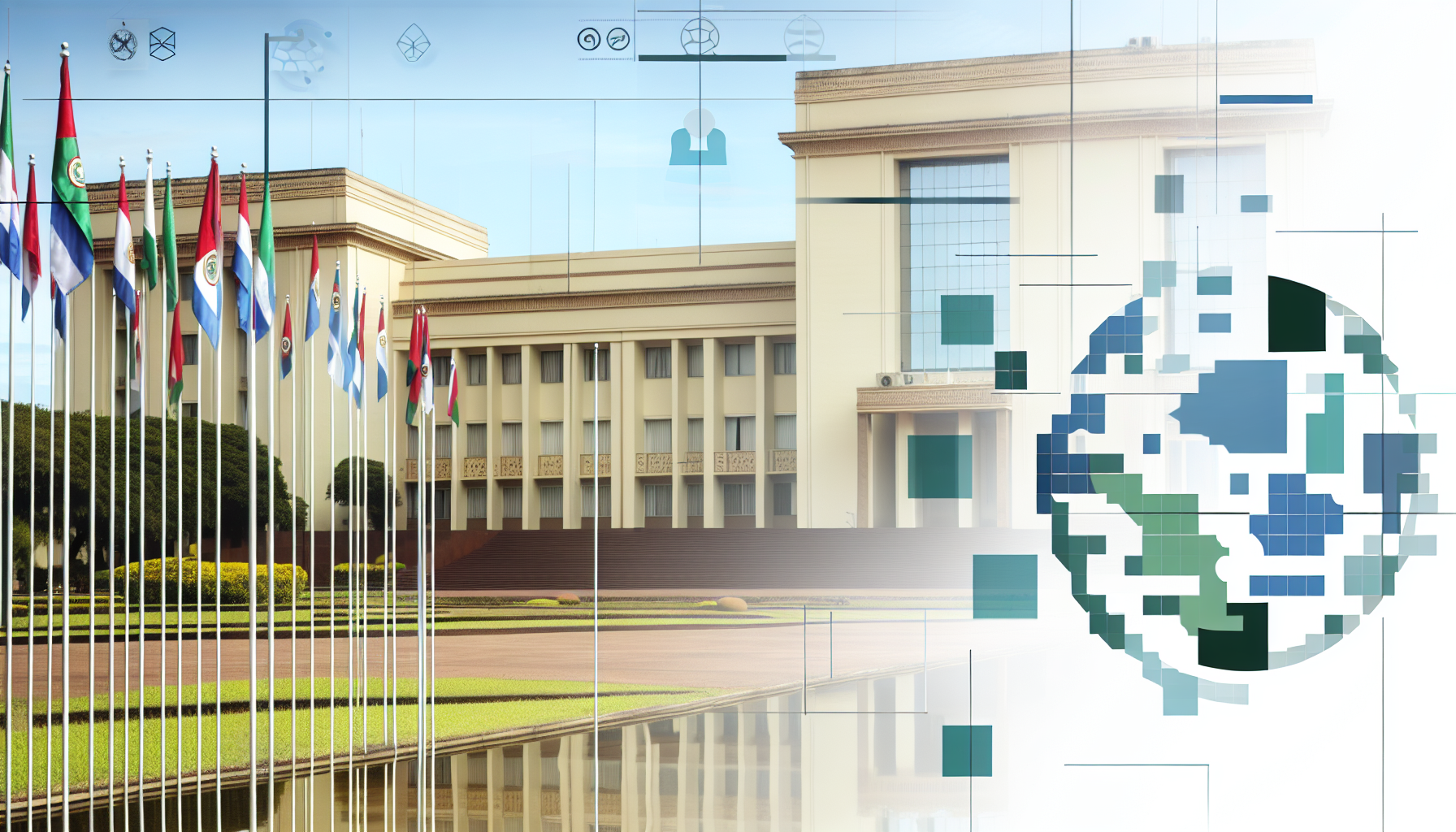
Paraguay, a member of the South American trading bloc, Mercosur, has recently embarked on a series of policy changes aimed at fostering business growth and economic development. These changes, influenced largely by Mercosur's guidelines and partnerships, may redefine Paraguay’s economic landscape and its position within the trading bloc.
Paraguay's congress has shown commitment to creating a more business-friendly environment. This includes policy reforms aimed at improving bureaucratic efficiency, bolstering infrastructure, and enhancing regulatory transparency. These steps are expected to foster domestic entrepreneurship, attract foreign investments, and stimulate overall economic growth.
Moreover, there's been a significant focus on fiscal responsibility. New policies aim at ensuring the stability and sustainability of public finances, which is essential in maintaining investor confidence. Such fiscal prudence can be seen as a response to the economic instability experienced by other countries in the region.
Paraguay's robust agricultural sector, which accounts for a significant portion of its GDP and exports, is another crucial area of focus. Policies are being formulated to promote sustainable practices, improve rural infrastructure, and provide better access to finance for small-scale farmers. These measures could enhance the sector's competitiveness and contribute to rural development.
However, the impact of these policy changes isn't limited to Paraguay's domestic economy. As a member of Mercosur, Paraguay's economic decisions can have a ripple effect across the bloc. The country's commitment to economic reform and fiscal stability could influence other member countries and strengthen the entire bloc's economic resilience.
Analysts suggest that Paraguay's policy changes, driven by Mercosur's influence and its own economic aspirations, could position it as a rising star within the bloc. If successful, these reforms may not only boost Paraguay's economy but also contribute to the broader economic stability and growth of Mercosur.
In conclusion, the government of Paraguay, with its proactive policy stance and Mercosur's influence, is paving the way for a more dynamic and resilient economy. As these reforms unfold, the world will be watching the potential emergence of Paraguay as a new economic powerhouse in the region.