Paraguay Considers New Trade Policies to Boost Mercosur Integration
Paraguay's government is exploring updated trade policies to enhance regional cooperation within Mercosur. Analysts suggest these measures could strengthen economic ties and attract foreign investment.
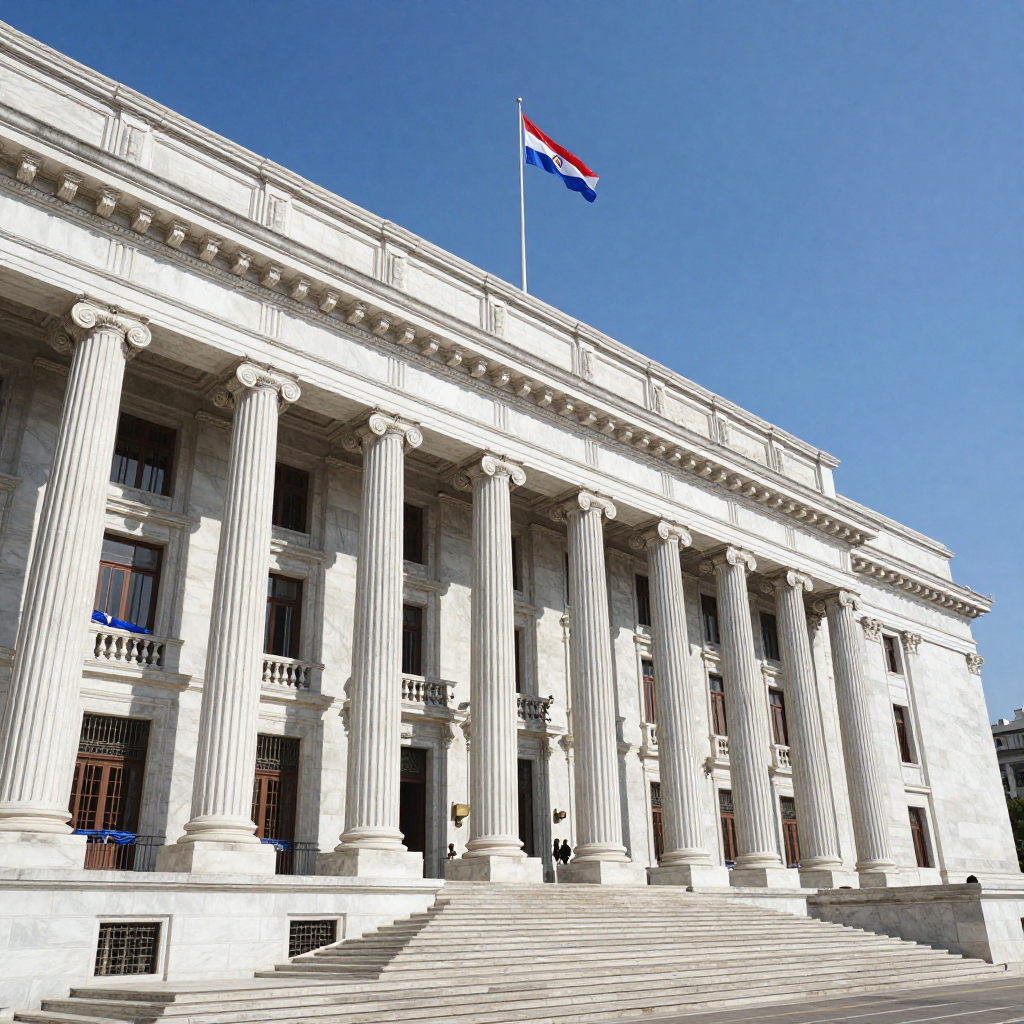
In recent weeks, Paraguay's Ministry of Economy has signaled its intention to revise existing trade policies to better align with Mercosur's evolving economic framework. The proposed reforms aim to streamline customs procedures, reduce trade barriers, and enhance cross-border collaboration among member states. These changes come amid growing pressure from regional partners to modernize trade mechanisms and foster greater economic integration within the South American bloc.
The government's focus on Mercosur reflects a broader strategy to position Paraguay as a key player in regional trade. Analysts note that the country's strategic location and natural resources make it a vital partner for neighboring nations. By improving trade efficiency and regulatory alignment, Paraguay could enhance its competitiveness in regional markets and attract more foreign direct investment. However, the success of these policies will depend on the cooperation of other Mercosur members and the implementation of concrete measures.
Paraguay's economic growth has been modest in recent years, with inflation and currency volatility posing challenges. The proposed trade reforms are seen as a step toward long-term economic stability. Experts suggest that the government's emphasis on regional integration could help diversify Paraguay's economy and reduce its reliance on traditional export sectors such as soybeans and beef. Additionally, improved trade relations with Mercosur partners may open new opportunities for Paraguay's agricultural and manufacturing industries.
While the details of the proposed policies remain under discussion, the government has expressed confidence in their potential to boost economic growth and strengthen regional ties. The reforms are expected to be finalized by the end of the year, with implementation beginning in early 2025. As Paraguay continues to navigate its economic landscape, the success of these trade initiatives will be closely watched by both domestic and international stakeholders.