Paraguay's Cultural Renaissance Drives Regional Influence
Paraguay is witnessing a cultural renaissance that is reshaping its national identity and enhancing its regional standing within Mercosur. This revival is driven by a blend of traditional practices and modern innovations.
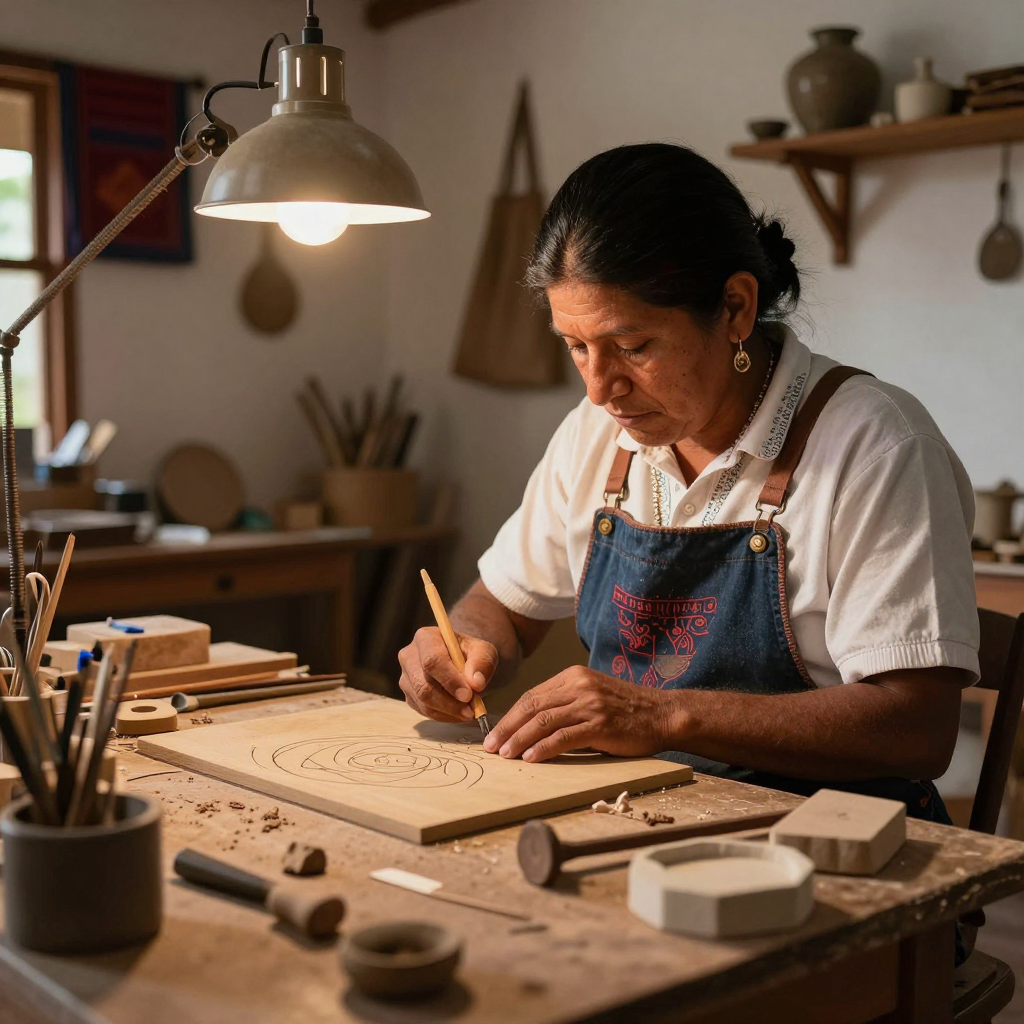
Paraguay, often perceived as a landlocked nation with a rich cultural heritage, is undergoing a significant transformation in its cultural landscape. This shift is not only redefining national identity but also positioning Paraguay as a key player within the Mercosur bloc. The country's cultural renaissance is characterized by a revival of indigenous traditions, a surge in artistic expression, and a growing emphasis on education that incorporates local heritage into modern curricula. These developments are fostering a more cohesive national identity while also enhancing Paraguay's soft power in the region.
The government's recent initiatives to promote cultural preservation have played a crucial role in this transformation. Programs aimed at revitalizing indigenous languages and traditional crafts are gaining traction, supported by both public and private sectors. These efforts are not only preserving Paraguay's unique cultural identity but also creating economic opportunities for local artisans and communities. As a result, Paraguay is increasingly being recognized as a cultural hub within Mercosur, attracting interest from neighboring countries looking to collaborate on cultural and educational projects.
In the realm of education, Paraguay has made strides in integrating cultural studies into its national curriculum. This approach is helping to instill a sense of pride and belonging among young Paraguayans while also preparing them to engage with the broader regional context. The emphasis on cultural education is also aligning with global trends that prioritize sustainability and local knowledge in addressing contemporary challenges.
The cultural renaissance in Paraguay is not without its challenges. Economic constraints and political instability can hinder long-term cultural development. However, the growing recognition of culture as a strategic asset is encouraging investment in the sector. Analysts suggest that continued support for cultural initiatives could lead to increased regional cooperation and a stronger Paraguayan presence in international cultural dialogues. As Paraguay continues to navigate these developments, its cultural landscape is becoming an important component of its national and regional strategy.