Paraguay's Economic Future: Deciphering Government Policies and Congress Decisions
As Paraguay navigates its economic future, government policies and congressional decisions play a critical role. This article explores the political landscape's impact on Paraguay's business and economy.
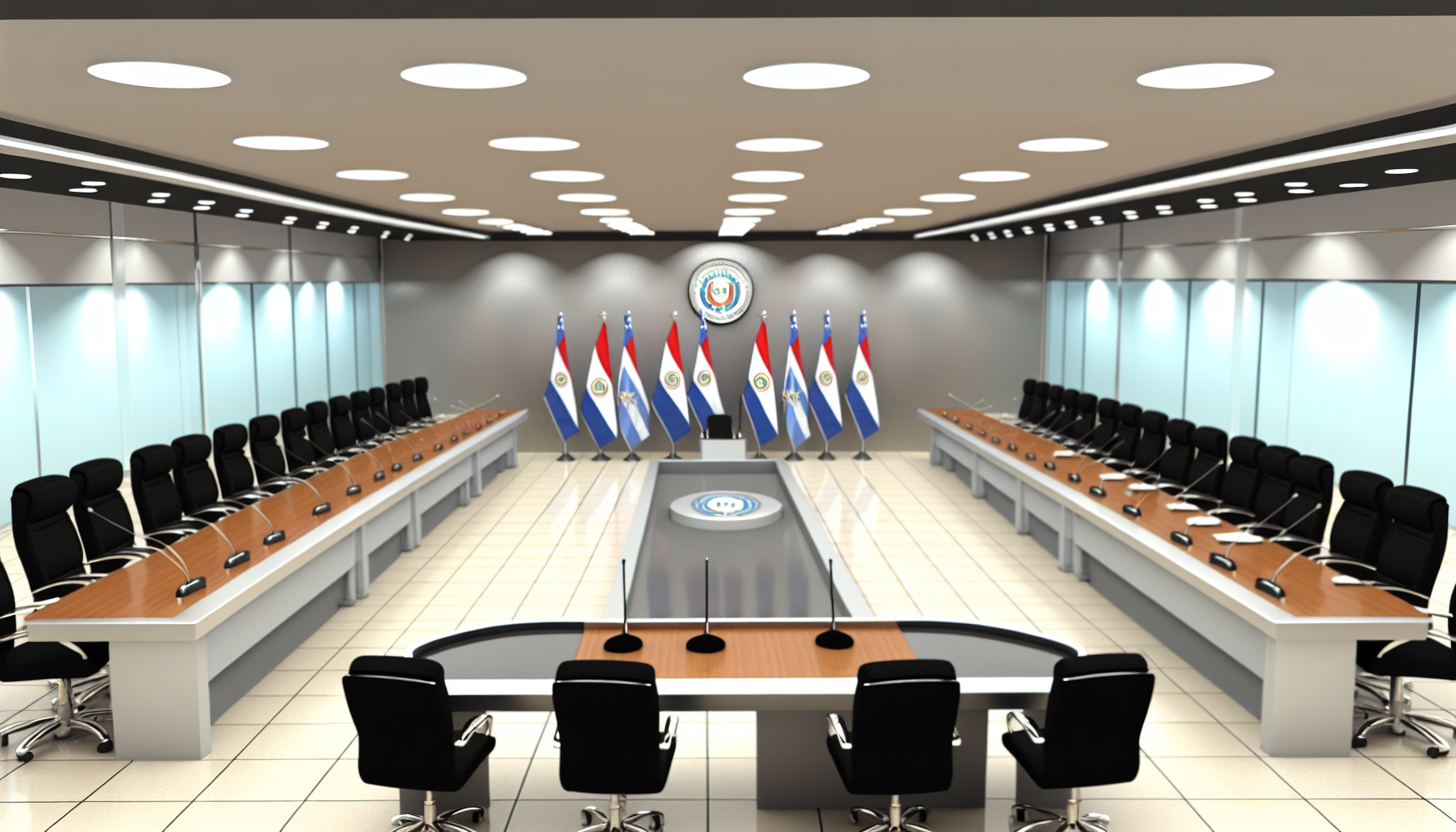
Paraguay, a key member of Mercosur, faces numerous opportunities and challenges as it seeks to strengthen its economy and invest in its future. The government's policies and congress decisions play a pivotal role in shaping the nation's trajectory, with implications that extend beyond national borders to the broader Mercosur region.
Recent years have seen a focus on promoting foreign investment and improving infrastructure, two areas critical for economic growth. The government has actively sought to create an attractive business environment, with policies aimed at reducing bureaucracy, streamlining business processes and providing incentives for foreign investors.
Meanwhile, congress decisions reflect a nuanced balance between economic liberalization and safeguarding national interests. The role of congress in shaping economic policy cannot be understated, with decisions on trade agreements, tax legislation, and regulatory frameworks directly impacting businesses operating in Paraguay.
However, these efforts are not without controversy. Critics argue that the focus on attracting foreign investment may come at the cost of domestic industries, while others express concern about the potential for increased economic inequality.
The impacts of these policies and decisions are far from confined to Paraguay. As a member of Mercosur, Paraguay's economic and political choices have regional implications. Changes in Paraguay's economic policy can influence trade relations within the bloc, affecting other member countries and the region's standing in the global economy.
Looking ahead, analysts suggest that the Paraguayan government and congress may continue to prioritize economic growth, with a potential focus on sectors such as agriculture, manufacturing, and services. These sectors could see increased investment and policy support, making them attractive areas for both domestic and foreign businesses.
In conclusion, as Paraguay continues to navigate its economic future, the interplay between government policy, congress decisions, and the broader regional context will remain a key factor. Understanding these dynamics is crucial for businesses and investors looking to engage with Paraguay's promising economy.