Paraguay's Economic Strategy Faces Regional Challenges
Paraguay's government is navigating complex economic decisions amid regional uncertainty. Analysts suggest the country's focus on Mercosur integration could shape its future economic trajectory.
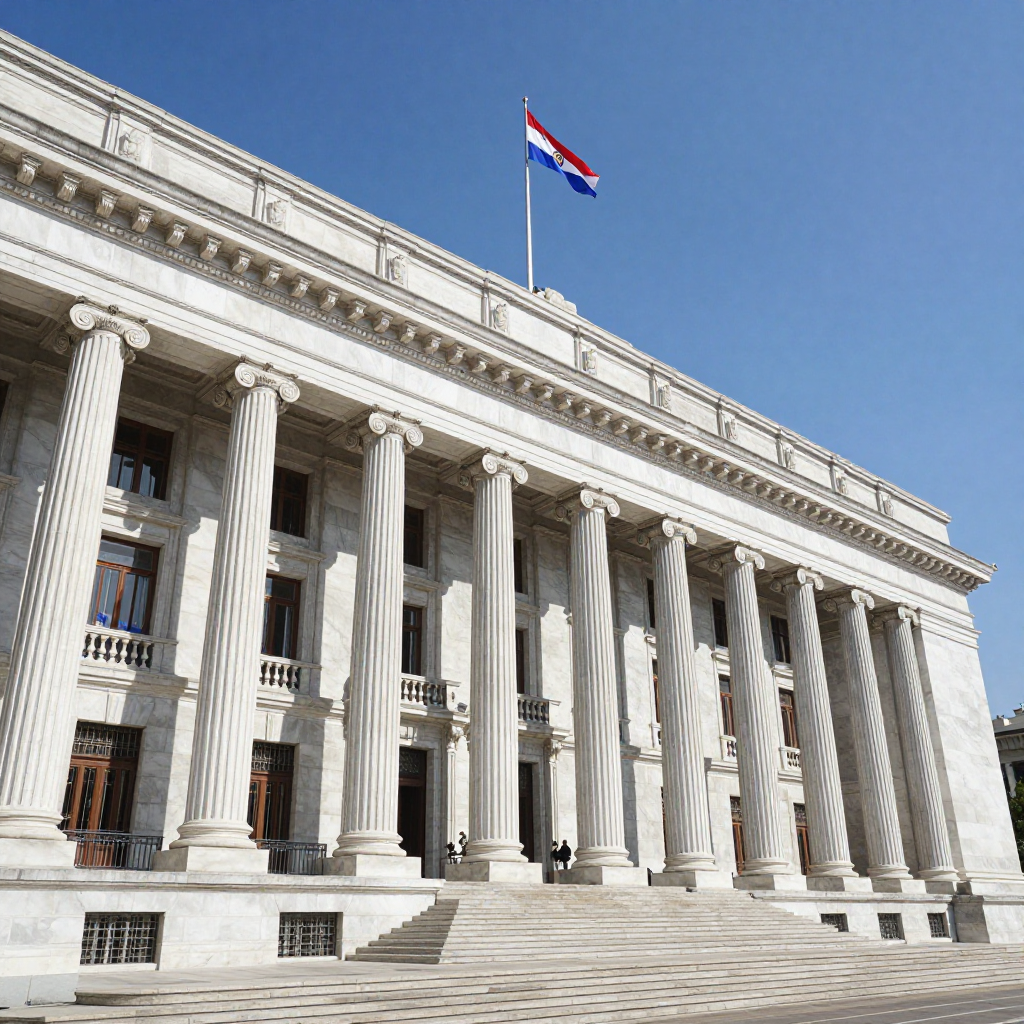
Asuncion, Paraguay - The Paraguayan government is currently focusing on economic policies that aim to strengthen its position within Mercosur, the South American trade bloc. With regional tensions and shifting global trade dynamics, Paraguay's leaders are seeking to balance domestic priorities with international commitments. Recent discussions in the National Congress have highlighted the need for structural reforms to boost productivity and attract foreign investment, which are seen as critical for long-term economic stability.
The government's approach to economic development has increasingly emphasized infrastructure modernization and agricultural sector expansion. These strategies align with broader Mercosur goals of fostering regional integration and enhancing trade competitiveness. However, analysts note that Paraguay's reliance on agricultural exports makes it vulnerable to global market fluctuations, particularly in commodities like soybeans and beef. To mitigate these risks, officials have proposed diversifying the economy through technological innovation and value-added manufacturing.
In recent months, the National Congress has debated proposals to streamline regulatory frameworks and reduce bureaucratic hurdles for businesses. These measures are intended to improve the business environment and encourage both domestic and foreign investment. While the government has expressed optimism about these reforms, some critics argue that more concrete actions are needed to address long-standing issues such as corruption and inefficiencies in public services.
Paraguay's economic strategy is also influenced by its role within Mercosur. The country has been a key player in regional negotiations, advocating for policies that promote free trade and economic cooperation. However, recent geopolitical shifts and trade disputes among Mercosur members have raised concerns about the bloc's effectiveness. Analysts suggest that Paraguay's ability to navigate these challenges will depend on its capacity to maintain strong diplomatic ties and economic partnerships.
As the government continues to refine its economic policies, the focus remains on achieving sustainable growth while addressing structural challenges. The coming months will be crucial in determining whether Paraguay can successfully balance its domestic needs with its regional commitments.