Paraguay's Fiscal Policies: A Pivot towards Business Growth
Paraguay's government is implementing new economic policies to stimulate business growth and attract foreign investment. Congress decisions reflect a strategic shift towards economic liberalization within the Mercosur region.
In recent years, Paraguay has been enacting significant policy changes aimed at stimulating business growth and foreign investment. The government’s focus on improving the economic climate represents a strategic move that could potentially transform Paraguay into a central hub for businesses within the Mercosur region. This article explores these recent policy changes and their implications for the economy and businesses in Paraguay and the broader Mercosur region.
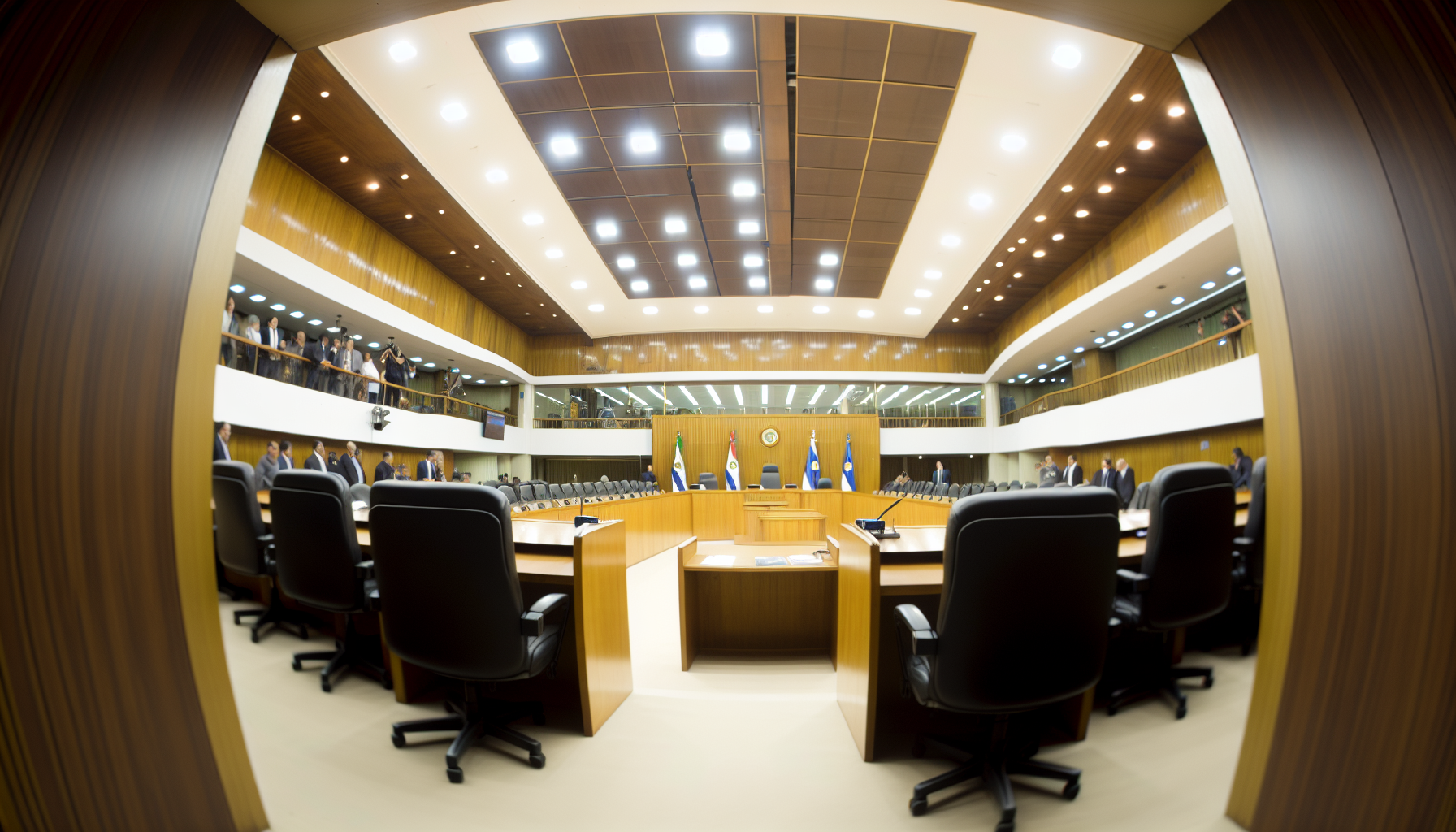
The Paraguayan Congress has been instrumental in pushing for these changes. Recent decisions suggest a shift towards economic liberalization, with measures designed to ease business operations and attract foreign investment. These include tax reforms, improvements in infrastructure, and efforts to reduce bureaucratic red tape. The government is also focusing on strengthening the rule of law and improving transparency, essential factors in building investor confidence.
While these policy changes are expected to boost Paraguay's economy, they also represent significant challenges. The government must balance its drive for economic growth against the need to maintain fiscal stability and manage social pressures. Furthermore, there are concerns about potential environmental impacts and the need to ensure sustainable growth.
However, analysts suggest that if these challenges are well-managed, Paraguay could become a vital economic player within the Mercosur region. Its strategic location, combined with these policy changes, makes the country an attractive destination for businesses looking to expand their operations in South America.
Regional implications are also significant. Paraguay’s economic shift could influence other Mercosur members to adopt similar policies, potentially leading to greater economic integration within the bloc. The country's decision to prioritize economic growth and foreign investment could shape future discussions on Mercosur's economic policies.
In conclusion, Paraguay's recent policy changes reflect a strategic pivot towards business growth. The government's commitment to economic improvement could potentially transform the country into a key player within the Mercosur region. However, the success of this strategy depends on the government's ability to balance economic growth with fiscal stability and social considerations.