Paraguay's Football Talent Pipeline Faces Regional Challenges
Paraguay's football development programs are gaining regional attention. However, challenges in infrastructure and funding persist.
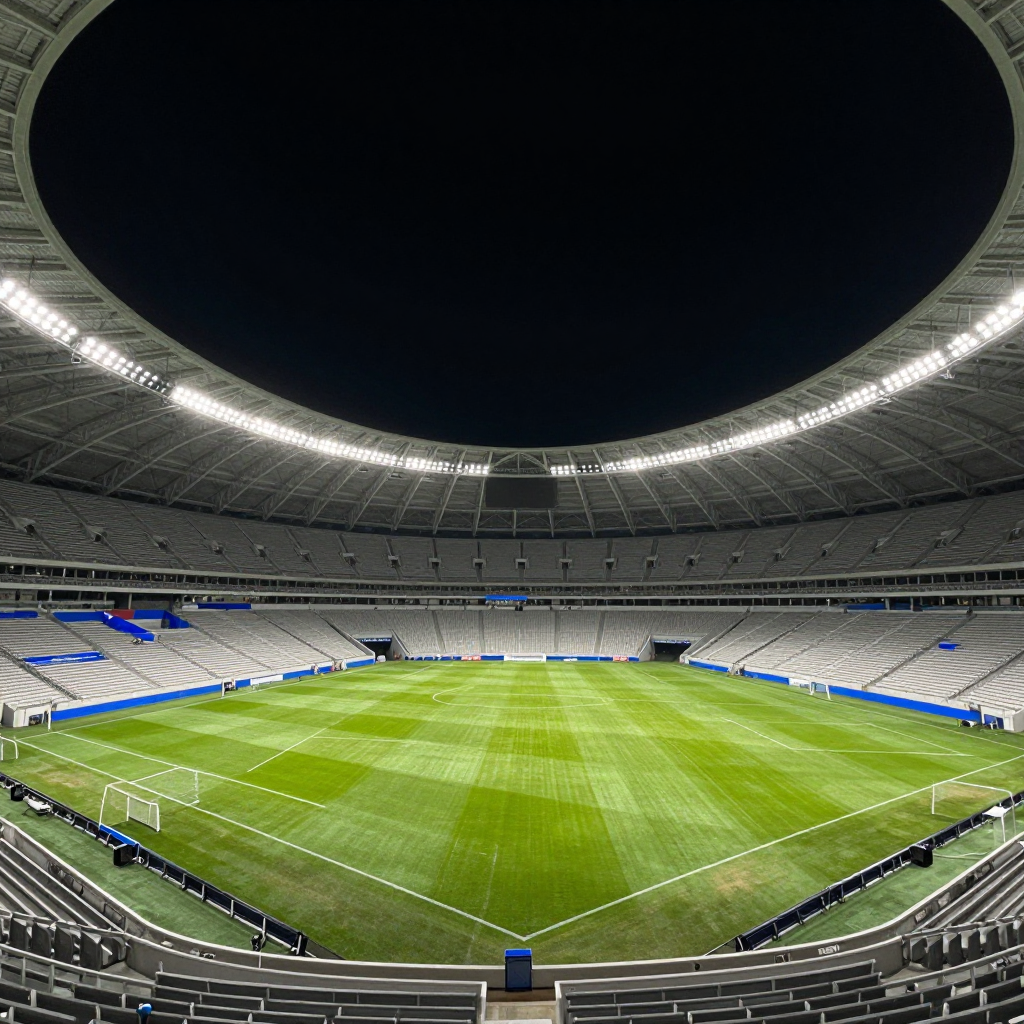
Paraguay's football landscape is undergoing a period of strategic reevaluation as the country seeks to strengthen its position in regional and international competitions. The Paraguayan Football Association (APF) has recently emphasized the need for improved infrastructure and sustainable funding to nurture young talent and maintain competitive performance. Analysts suggest that while the nation has a rich footballing tradition, its ability to consistently produce world-class players is being tested by economic constraints and limited investment in youth academies.
The APF has been working closely with regional partners within Mercosur to share best practices and pool resources. This collaboration is seen as crucial for addressing the challenges of developing football in a region where many countries face similar economic and logistical hurdles. However, experts note that the success of these initiatives depends on consistent government support and private sector involvement, which have been inconsistent in the past.
In terms of international competitiveness, Paraguay's national team has shown resilience in recent tournaments, but its performance has not matched the expectations of its fan base. The country's football federation has acknowledged the need for a more structured approach to player development, including better scouting systems and improved training facilities. These efforts are expected to take time, as the focus is on long-term growth rather than short-term success.
The regional implications of Paraguay's football strategy are significant. As a key member of Mercosur, the country's sporting achievements can influence regional cooperation and economic partnerships. Football is not just a sport in Paraguay; it is a cultural and economic asset that can drive tourism, youth engagement, and national pride. Therefore, the success of Paraguay's football initiatives is seen as a potential model for other South American nations facing similar challenges.
Despite these efforts, the path forward remains uncertain. The APF has called for increased public and private investment in football infrastructure, but the political and economic climate in Paraguay continues to pose challenges. Nonetheless, the commitment to developing football as a national priority offers hope for a brighter future for the sport in the country and the region.