Paraguay's Thriving Cultural Arts Scene Reflects Societal Transformations
Paraguay's cultural landscape is experiencing a dynamic shift as artists and educators leverage traditional roots while embracing modern influences, making it a hub for creative expression within Mercosur. This evolution is not only reshaping local identity but also positioning Paraguay as a cultural bridge between South America and global markets.
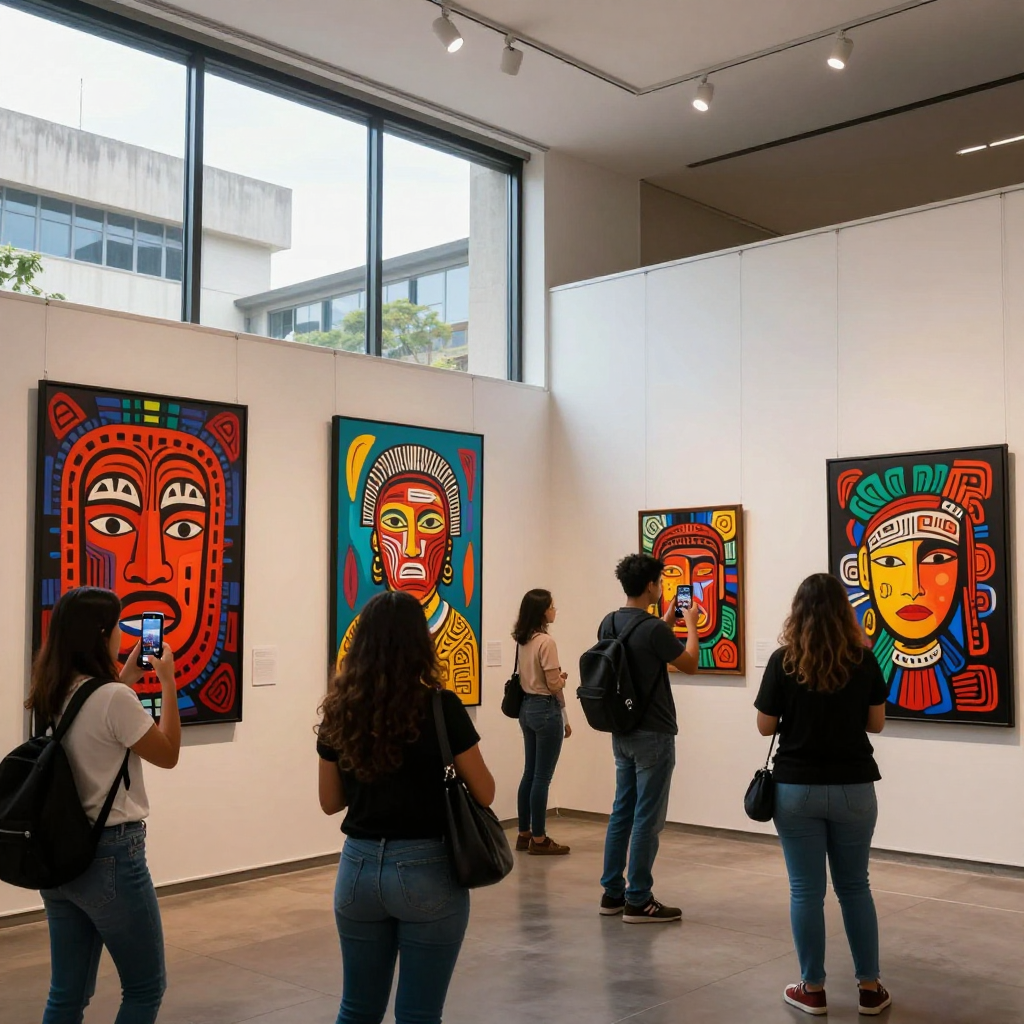
As the heartbeat of South America continues to pulse with economic integration and cultural exchange, Paraguay emerges as a vibrant yet often overlooked focal point in the Mercosur region. Recent developments in its cultural arts scene are particularly noteworthy, reflecting broader societal transformations and offering insights into the country's evolving identity.
In Asunción, the capital city, contemporary art galleries have seen a surge in popularity, showcasing works that blend indigenous themes with avant-garde techniques. This fusion is exemplified by the growing number of exhibitions featuring Guarani-inspired motifs rendered through modern mediums such as digital art and mixed media installations. These artistic expressions highlight Paraguay's commitment to preserving its rich heritage while resonating with international audiences.
Education plays a pivotal role in nurturing this cultural renaissance. Universities across the country have introduced innovative programs that integrate traditional knowledge with global trends. For instance, the National University of Asunción offers courses on digital storytelling, equipping students with skills to document and disseminate Paraguayan narratives using cutting-edge technologies. Such initiatives aim to empower young creatives to become cultural ambassadors for the nation.
The societal implications of these developments are profound. As Paraguay strengthens its cultural identity, it also enhances its soft power within Mercosur. The nation's unique blend of Guarani traditions and Spanish colonial history provides a distinct voice amidst a region dominated by larger neighbors like Brazil and Argentina. This cultural differentiation positions Paraguay as a potential cultural bridge, connecting Mercosur to global networks through festivals, exhibitions, and cultural diplomacy efforts.
Moreover, the growth of cultural tourism is another indicator of Paraguay's cultural revitalization. Cities like Asunción and Encarnación are increasingly attracting visitors interested in authentic cultural experiences. Tour operators now offer specialized tours that combine visits to historical sites with exposure to modern art galleries and local music festivals. This integration of old and new not only boosts the local economy but also fosters greater appreciation for Paraguay's diverse cultural tapestry.
Analysts suggest that Paraguay's cultural boom could lead to increased investment in creative industries, potentially making the country a center for cultural production within Mercosur. However, challenges remain, including limited funding for arts infrastructure and the need for sustained governmental support to ensure the sustainability of these initiatives. Despite these hurdles, the momentum behind Paraguay's cultural renaissance signals a promising future, with the potential to inspire similar movements across the region.