Paraguay Seeks Balance Between Fiscal Reform and Economic Growth Amid Mercosur Challenges
The Paraguayan government has introduced fiscal reform measures aimed at boosting economic stability while addressing concerns over public spending. Analysts suggest that these moves could have significant implications for businesses operating within Mercosur, as Paraguay seeks to enhance its competitiveness in the regional trade bloc.
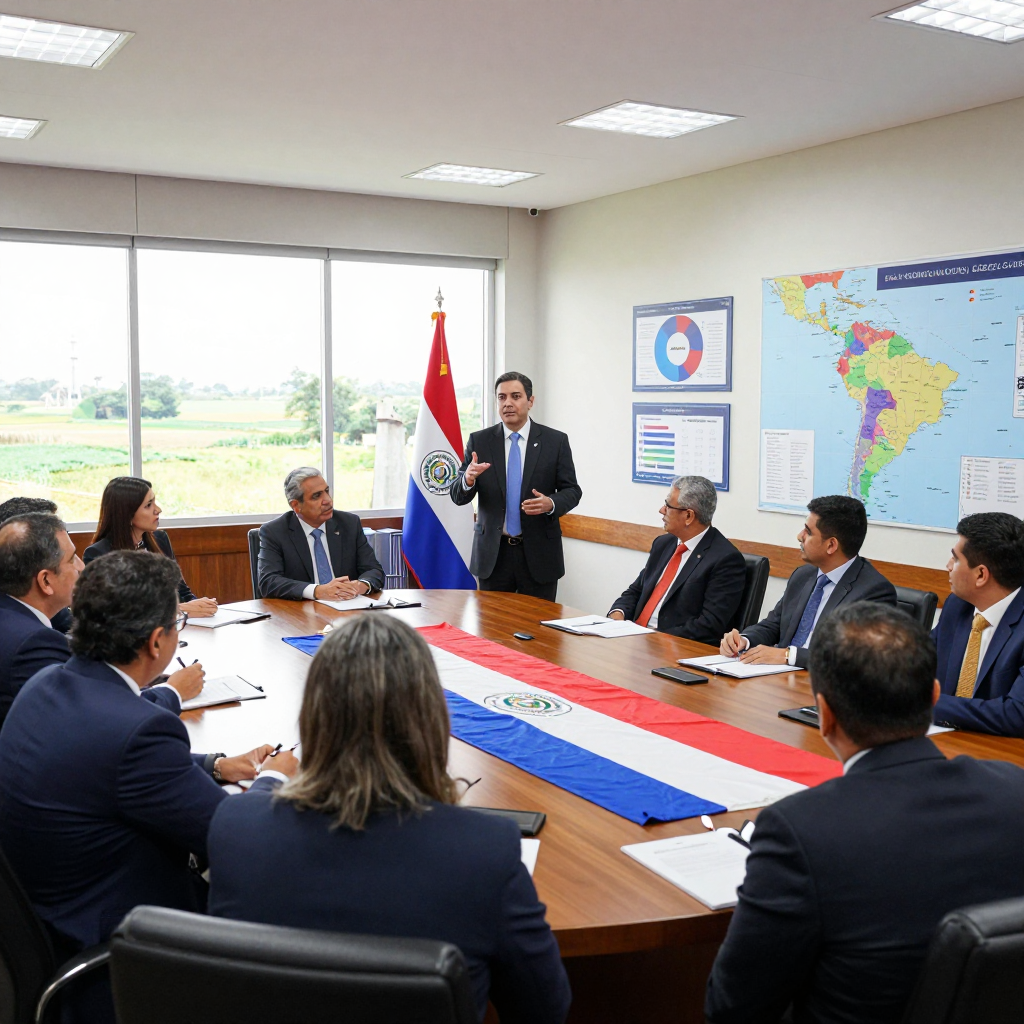
Asunción, Paraguay — Recent government initiatives in Paraguay are reshaping the country's fiscal landscape, with a focus on balancing budgetary constraints with the need for sustained economic growth. These reforms come against the backdrop of Paraguay's ongoing efforts to integrate more robustly into the Mercosur trade bloc, where the nation's economic policies have both national and regional implications.
The central government, led by President Mario Abdo Benítez, has unveiled a multi-pronged approach to fiscal management, emphasizing increased transparency, streamlined tax collection, and targeted investments in key sectors such as agriculture and energy. According to officials, these strategies are designed not only to stabilize the fiscal situation but also to attract foreign direct investment (FDI) and bolster domestic industry.
In a recent address to Congress, Minister of Finance Marcelo Giménez highlighted the importance of reducing public debt while prioritizing infrastructure development. He stated, "Our fiscal policies aim to ensure long-term sustainability without stifling growth. We are committed to maintaining a balance that supports our economic engine." Analysts have noted that these reforms could help stabilize Paraguay's GDP growth, which has fluctuated in recent years due to external shocks and internal macroeconomic challenges.
For businesses operating in Paraguay, particularly those engaged in export-oriented industries, the reforms could present both opportunities and challenges. Increased transparency in public spending and stronger enforcement of tax regulations may lead to a more stable business environment, potentially attracting multinational corporations looking to expand their footprint in Mercosur. However, some local enterprises have expressed concerns about the potential short-term impact of higher compliance costs.
Paraguay's position as a landlocked country within Mercosur makes regional integration even more crucial for its economic prospects. The nation’s success in implementing these fiscal reforms could set an example for neighboring countries grappling with similar economic pressures. Moreover, Paraguay's approach to balancing fiscal responsibility with economic development could influence policy discussions across Mercosur, given the bloc's shared goals of enhancing trade and competitiveness.
Economists predict that if implemented effectively, these reforms could position Paraguay as a more attractive market for foreign investors, leveraging its strategic location within South America and its established membership in Mercosur. However, they caution that the government will need to carefully manage public expectations and ensure that any austerity measures do not disproportionately affect vulnerable communities.
As the fiscal reform framework continues to evolve, international observers will closely monitor its impact on Paraguay's economic trajectory and its role within Mercosur. The outcome of these efforts will likely shape the nation's standing as a reliable partner in regional trade and a destination for sustainable economic growth.