Paraguay Seeks Soccer Excellence Amid Regional Integration Efforts
The Paraguayan soccer team is gearing up for upcoming international competitions, reflecting both national ambitions and the country's broader push towards enhanced regional collaboration within Mercosur.
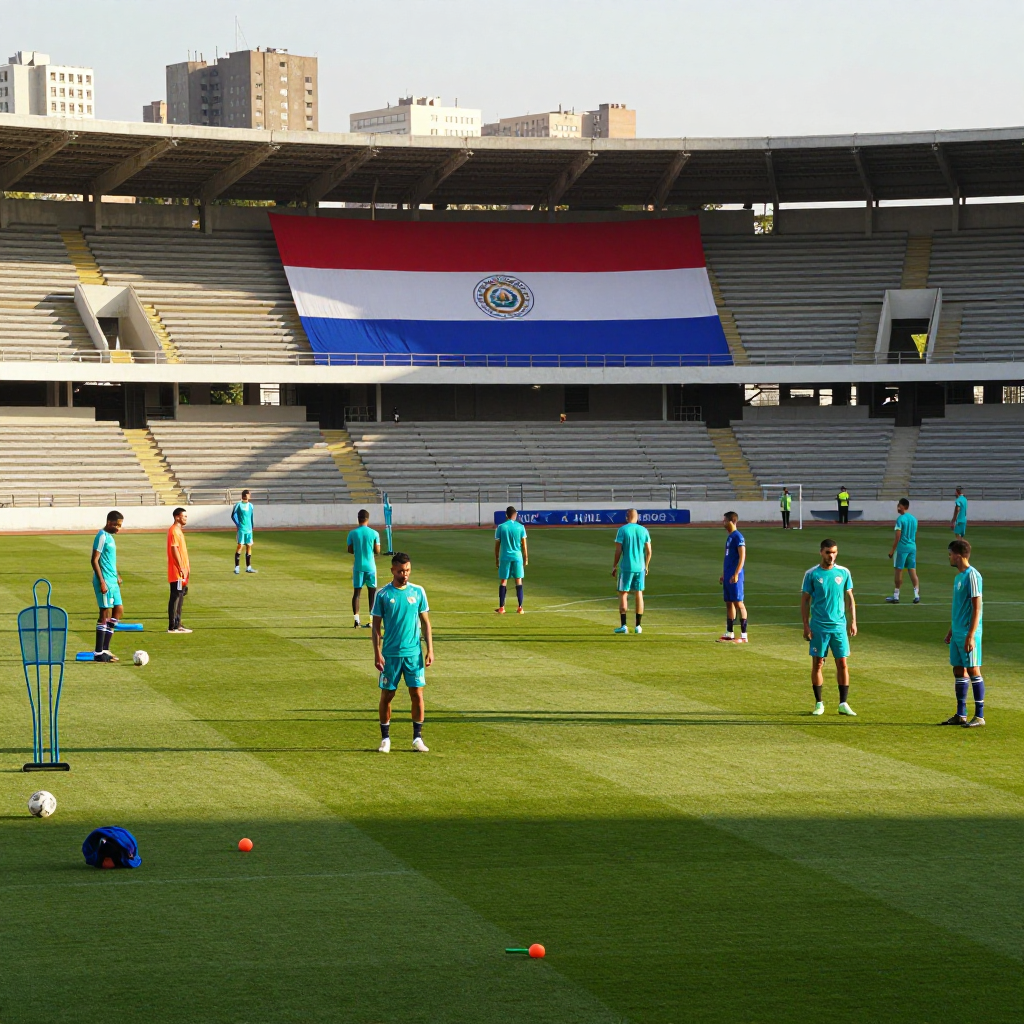
As Paraguay prepares for significant international soccer competitions, including upcoming qualifiers and friendlies, the nation's focus on athletic development signals more than just sporting aspirations—it reflects Paraguay's strategic position within the Mercosur economic bloc. Soccer remains deeply embedded in Paraguayan culture, a unifying force that transcends political and social divides. This year, the Paraguayan Football Association (APF) has intensified its efforts to strengthen the national team, investing in youth academies and enhancing training facilities to ensure competitiveness on the global stage.
The recent appointment of a new national coach, coupled with a robust player recruitment strategy, underscores Paraguay's commitment to reviving its soccer legacy. Analysts suggest that Paraguay's focus on international competitions not only aims to elevate the profile of local talents but also to foster regional partnerships, particularly within Mercosur. With neighboring countries like Brazil, Uruguay, and Argentina being powerhouses in world soccer, Paraguay sees opportunities to enhance bilateral collaborations, sharing resources and expertise to drive mutual growth in the sport.
Economically, soccer's regional integration potential aligns with Paraguay's broader objectives within Mercosur. The country's quest for sustained economic diversification views sports as a catalyst for tourism, media partnerships, and foreign investment. Hosting matches and participating in regional tournaments could attract international attention, potentially boosting visitor numbers and revenue from related sectors such as hospitality and broadcasting rights.
Moreover, Paraguay's participation in international competitions highlights its role as a bridge between South American and regional markets. By showcasing talent and fostering goodwill through shared sporting experiences, Paraguay aims to solidify its position within Mercosur while promoting itself as a key player in Latin America's sports landscape. This approach mirrors the nation's diplomatic strategy, where cultural and economic ties are strengthened through shared interests like sports.
Despite challenges such as limited funding compared to larger economies, Paraguay's soccer federation has demonstrated resilience and resourcefulness. The APF has leveraged partnerships with private sponsors and regional organizations, ensuring sustainable development plans. The growth of local leagues and increased participation in youth programs further indicate a long-term vision that seeks to establish a robust pipeline of skilled players for future competitions.
In conclusion, Paraguay's journey in soccer mirrors its broader aspirations within Mercosur—an effort to assert influence through collaboration rather than competition. As the nation looks forward to upcoming matches, it does so with the understanding that every victory on the field contributes to a stronger economic and diplomatic standing in the region.