Paraguay's Government and Trade: Navigating in the Mercosur Landscape
Paraguay's government policies and congress decisions are shaping the nation's economic future within Mercosur. This article explores the political developments and their implications for business and economy in Paraguay and the region.
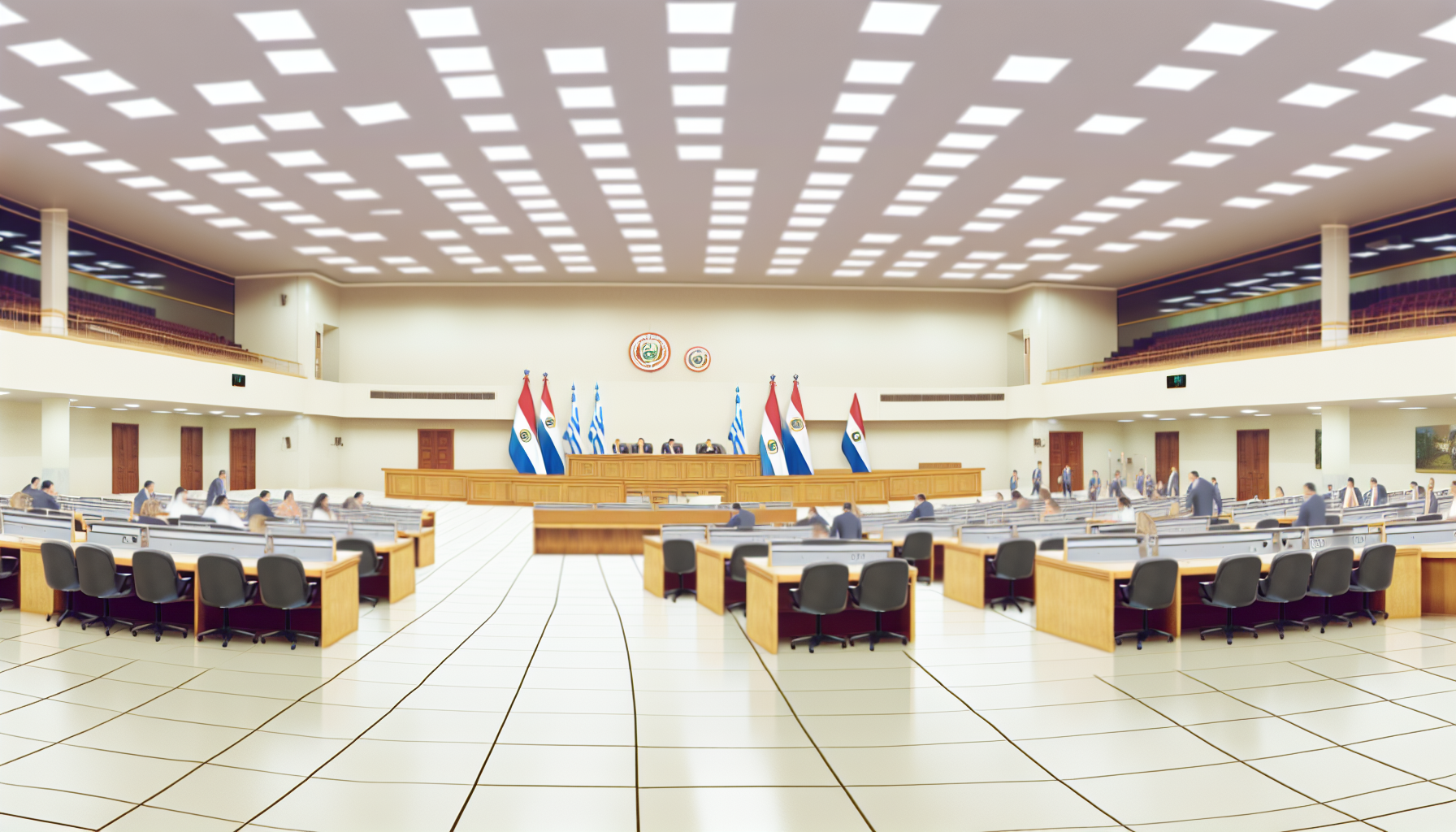
Paraguay, as a member of the Southern Common Market (Mercosur), is continually influenced by its domestic politics and the decisions of its congress in shaping its economic landscape. The nation is strategically positioned in the Mercosur trade bloc, comprising Argentina, Brazil, Uruguay, and Venezuela, which is central to its economic activity and future prospects.
Paraguay’s government policies, particularly those related to trade, have a significant effect on its business environment. The government's commitment to a free market economy and its efforts to improve the business climate have been noteworthy. This includes measures aimed at reducing bureaucracy, combating corruption, and encouraging foreign investment, all of which have potential implications for Mercosur partners and beyond.
The Paraguayan congress, legislatively powerful in the country, plays a crucial role in these economic decisions. Recent decisions have aimed at enhancing the nation's infrastructure, promoting sustainable agriculture, and advancing technological innovation, reflecting the country's broader shift towards a more diversified and resilient economy. However, these decisions also spark debates, as they may affect existing trade agreements and partnerships within Mercosur.
Paraguay's political developments also have potential regional implications. Its relationship with Mercosur members, especially Brazil and Argentina, its largest trading partners, is critical. Any changes in Paraguay's policy or legislative decisions could impact the dynamics of the entire bloc. Analysts suggest that the nation's economic decisions should consider both domestic priorities and the regional economic balance.
While Paraguay navigates its economic future within Mercosur, it is essential to understand that its decisions are not made in a vacuum. They are shaped by a complex interplay of domestic politics, regional dynamics, and global economic trends. As the country continues to evolve, its government and congress will need to balance domestic economic aspirations with regional commitments and international trade obligations.
In conclusion, Paraguay's government policies and congress decisions are shaping its position in Mercosur and the wider region. Its progress in shaping a business-friendly environment, combating corruption, and diversifying its economy is being closely watched by international observers. The nation's economic journey within Mercosur is emblematic of the broader challenges and opportunities facing emerging market economies in a rapidly changing global economic landscape.